Reported by: Ainol Amriz, Press Council Indonesia, Jalan Kebon Sirih, Jakarta, Indonesia
12 December 2024, Jakarta – Brief by: Chairman of Press Council, Dr. Ninik Rahayu
The press industry in Indonesia faces significant challenges, primarily due to the disruptive effects of digital information technology. The emergence of internet-based media has intensified competition, resulting in audience losses for traditional media like print, television, and radio. Consequently, conventional media outlets have experienced declining revenues and, in many cases, bankruptcy over the past decade.
This difficult economic environment has impacted press freedom, as highlighted in the 2024 Press Freedom Index (IKP) survey. Press dependence on powerful economic entities, including local governments and private stakeholders, has compromised editorial independence. In addition, preparations for the 2024 Presidential and Legislative Elections have raised concerns about media neutrality and balanced reporting. Further exacerbating the situation are incidents of violence against journalists and attempts to criminalize journalistic activities.
2024 IKP Survey Results
The 2024 IKP score stands at 69.36 (“moderately free”), reflecting a decline from 71.57 in 2023 and 77.88 in 2022. The score is based on three variables:
• Political and Physical Environment: 70.06
• Economic Environment: 67.74 (the lowest variable)
• Legal Environment: 69.44
The steady decline in IKP scores over the past two years highlights growing challenges in maintaining press freedom and independence.
Economic Pressures and Dependency
The Economic Environment variable showed particularly low scores for:
1. Independence from Strong Interest Groups: 65.69
2. Good Corporate Governance in Media Companies
Many media companies rely heavily on financial support from collaborations with local governments, private entities, or political figures, affecting their independence. Press content is often dominated by press releases from these funders, and many regional media outlets struggle to pay journalists fair wages. Additionally, journalists are sometimes tasked with securing advertising revenue for their outlets, further straining their roles.
Research by the Press Council and Universitas Multimedia Nusantara (UMN) revealed that most small-scale media operations rely on monthly budgets of Rp10 million to Rp50 million and employ only 1-10 staff members, making quality journalism financially challenging.
Conclusion
The decline in IKP scores underscores the urgent need for structural and economic reforms to foster a sustainable and independent press ecosystem. Chairman Dr. Ninik Rahayu calls for strengthened protections for journalists and the preservation of editorial independence to ensure the press can fulfill its democratic role without undue influence or compromise.
* IFJ Malaysia-Indonesia: Media Mission – Strengthening Solidarity on Media Viability, Regulation, and Rights in South East Asia, in Jakarta, 8 – 13 Disember 2024.
Please read full report: PENYUSUNAN INDEKS KEMERDEKAAN PERS TAHUN 2024
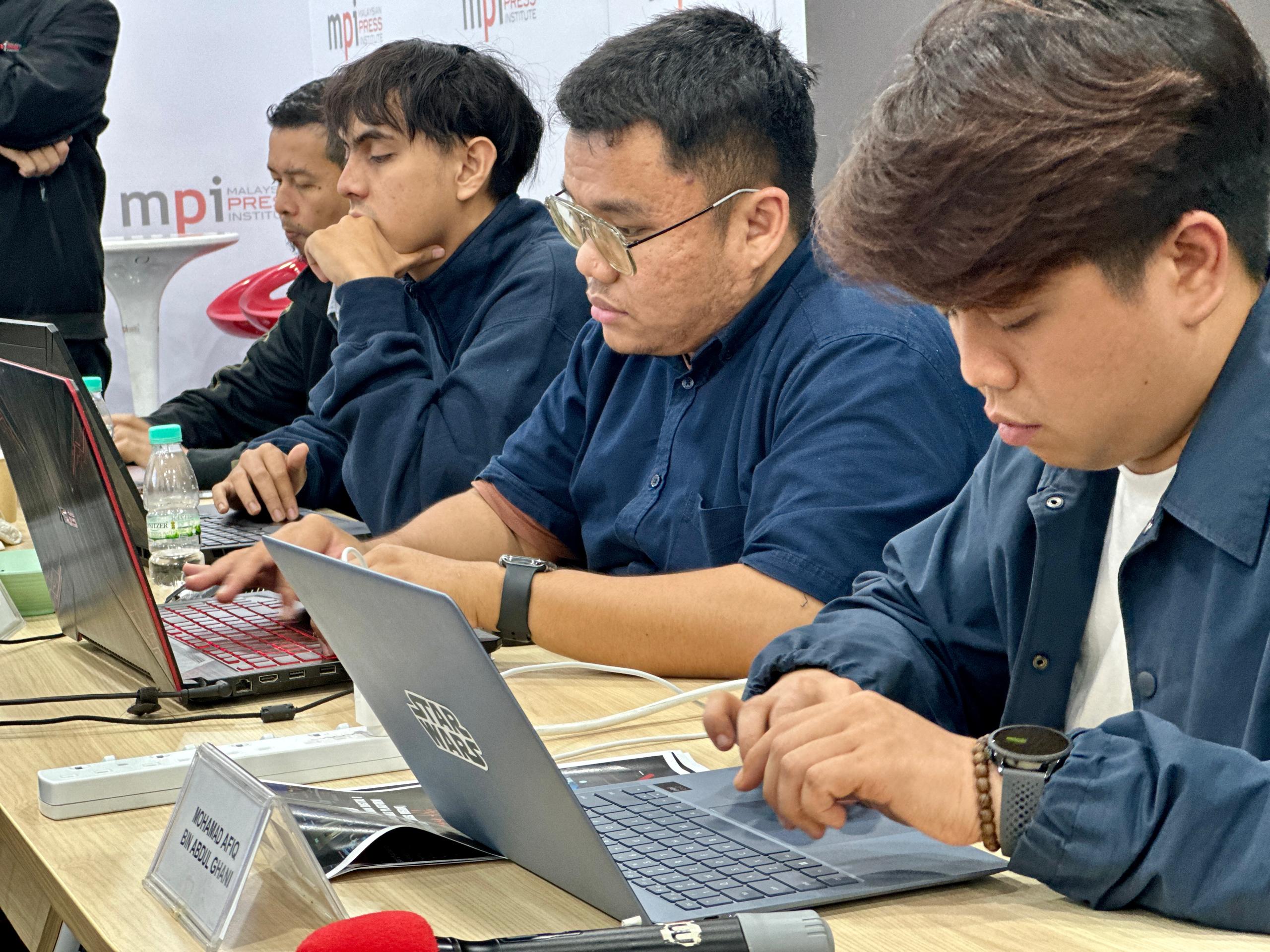
Photo by Sairien Nafis