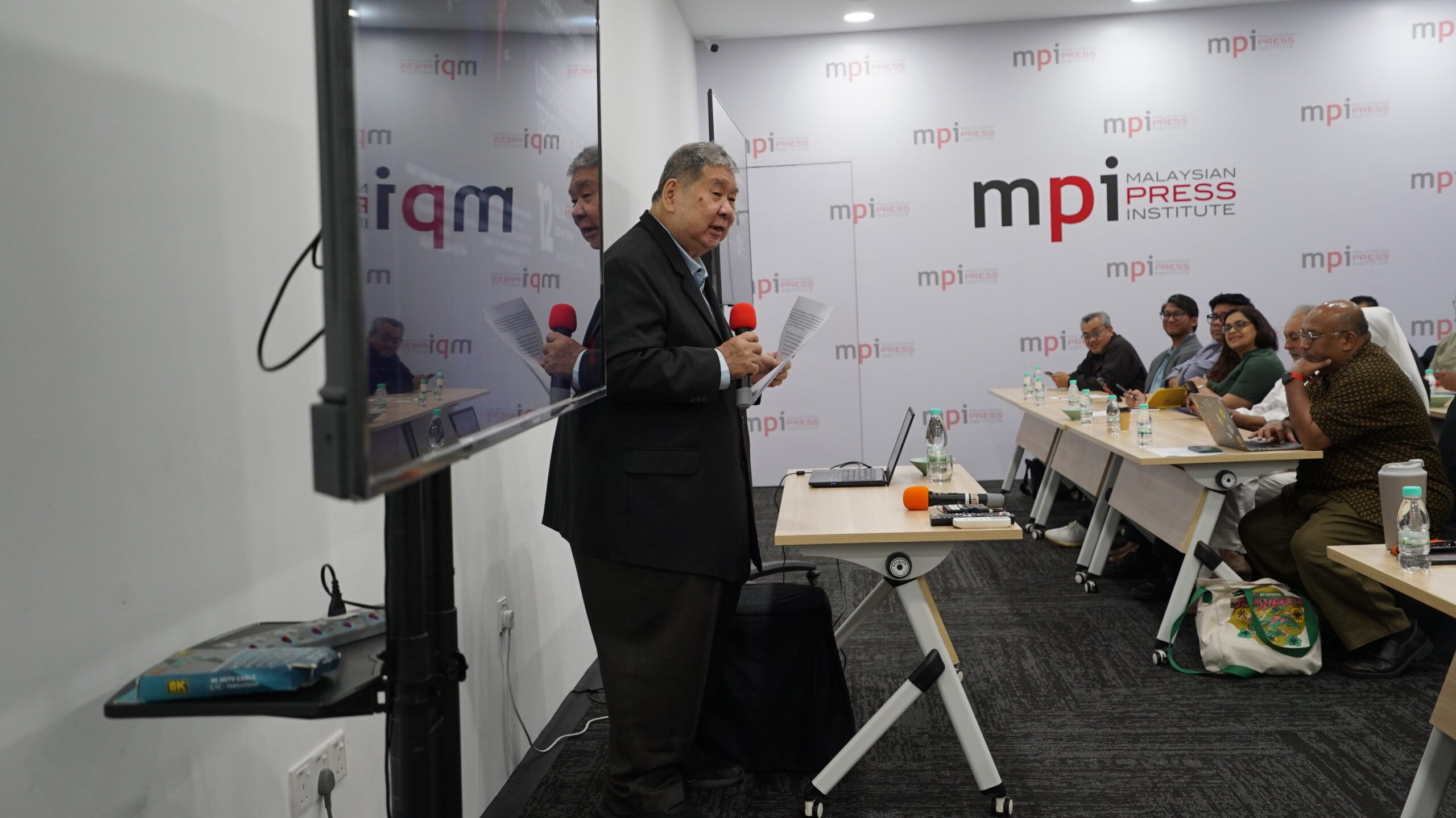
SALAM SEJAHTERA, and a very good morning, ladies and gentlemen, distinguished editors, reporters, colleagues in the media, Team MPI and legal experts.
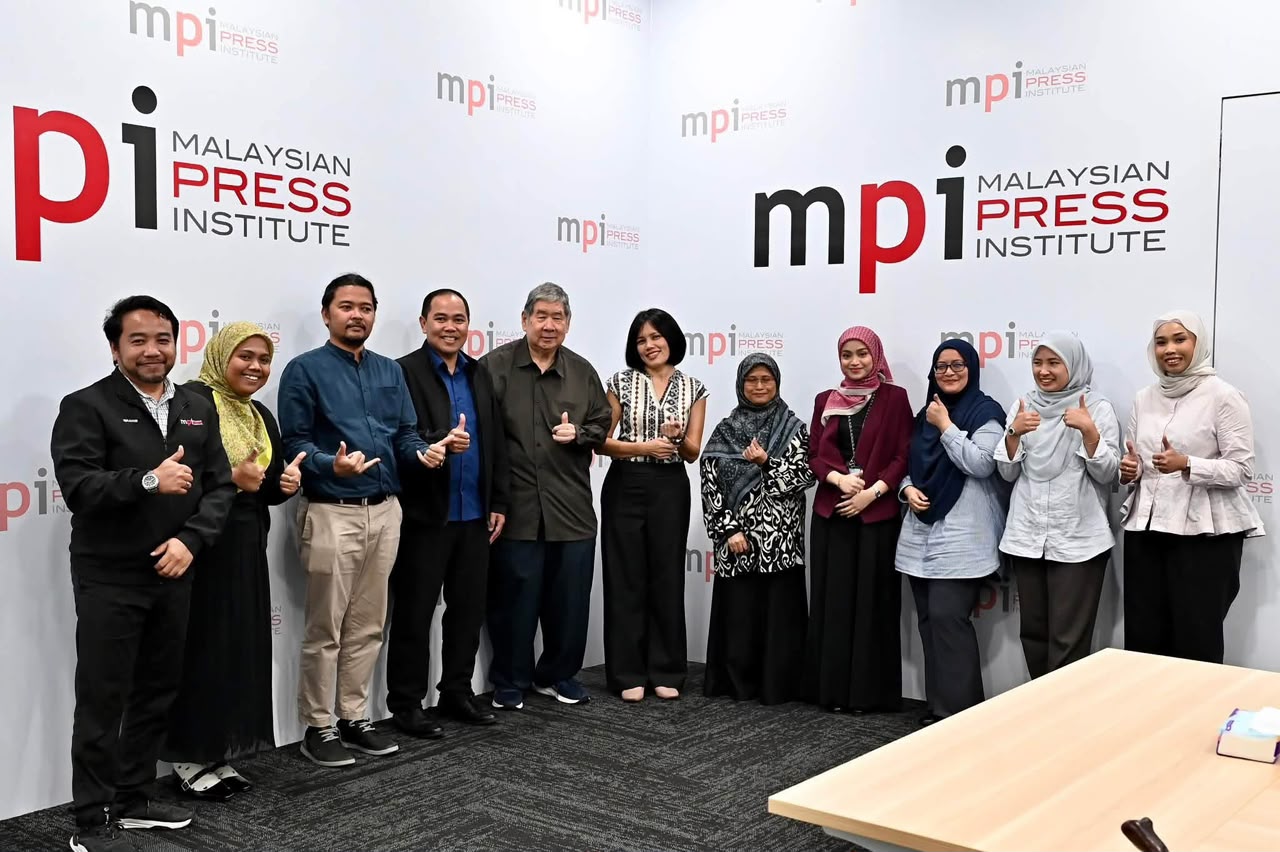
Our special thanks to YBrs Tuan Adzrol Hisham bin Mohamad from Pejabat Ketua Pegawai Keselamatan Kerajaan Malaysia and YBrs Tuan Mohd Sabri bin Othman from Jabatan Peguam Negara for being here to show us the right way so that we don’t get into the wrong side of the law.
We are grateful that these two knowledgeable gentlemen have found time to enlighten us on things that we often are at a loss with, so many demands placed on the journalism industry while maintaining our calm, composure and clarity.
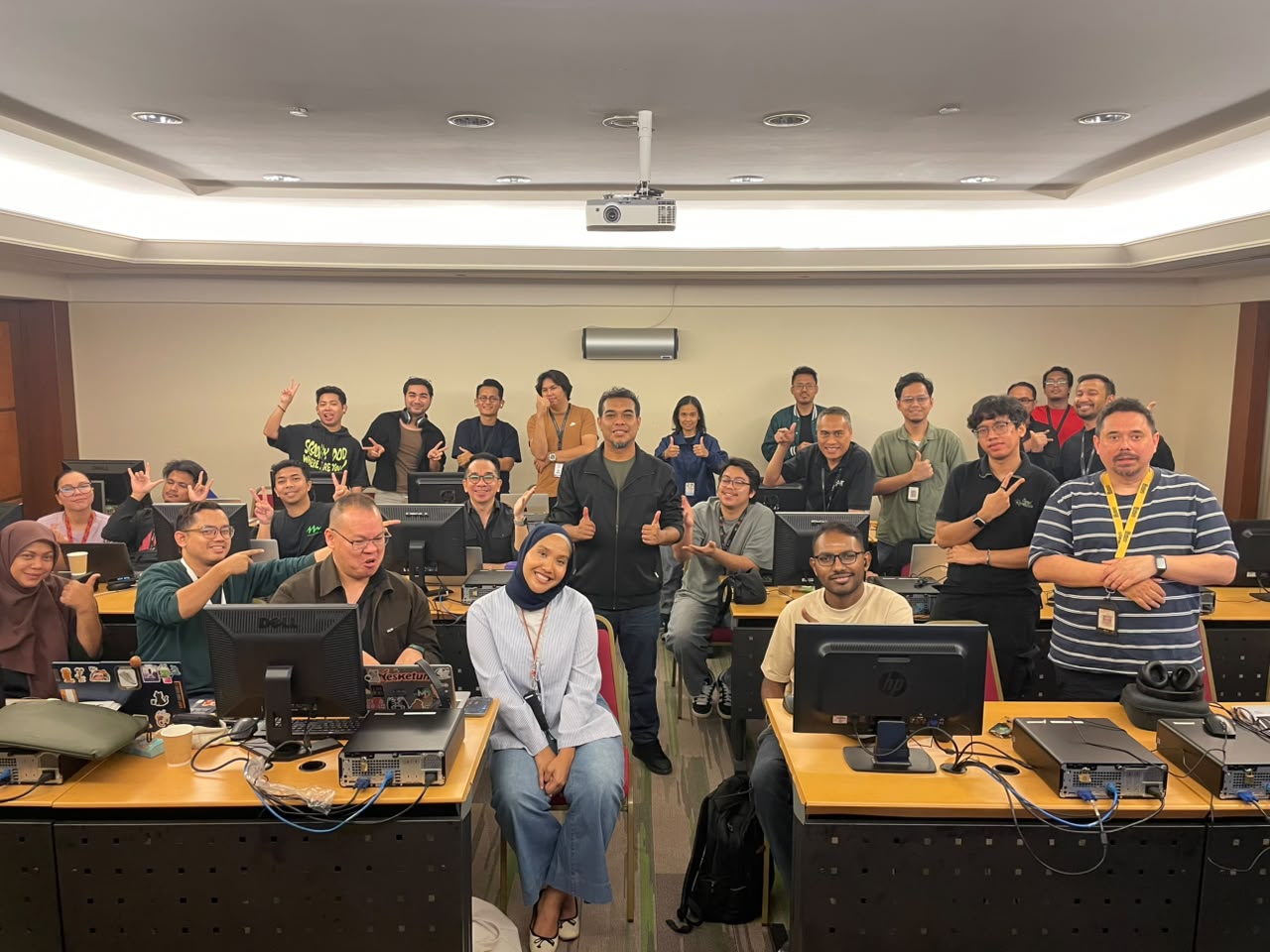
As such, we are gathered here today under the auspices of the Malaysian Press Institute to reflect on issues that are at the very heart of responsible journalism: the handling and publication of classified government documents.
In our profession, information is power. But not all information is meant for immediate public release.
Documents marked Rahsia Besar, Rahsia, Sulit, or Terhad carry implications that go beyond headlines—they touch on national security, public order, and the trust placed in institutions.
Sebagai wartawan, kita sentiasa berada di persimpangan. Di satu pihak, hak masyarakat untuk mengetahui; di pihak lain, tanggungjawab menjaga keselamatan dan kerahsiaan. Akta Rahsia Rasmi 1972 bukan saja undang undang, tetapi peringatan bahawa kelalaian dalam mengurus maklumat terperingkat boleh membawa padah: tindakan undang undang, kerosakan reputasi, dan hilangnya kepercayaan masyarakat terhadap media.
Program ini bertujuan memperkukuh kefahaman kita, agar wartawan Malaysia terus berpegang pada etika tertinggi.
Dengan memahami klasifikasi, prosedur pengendalian, serta risiko pelanggaran, kita bukan sahaja melindungi diri dan organisasi, tetapi juga maruah media sebagai tiang demokrasi.
So, I again stress, by learning all these procedures, we safeguard not only ourselves and our organisations, but also the credibility of the press as a pillar of democracy.
As journalists, we must also recognise that the credibility of the press is built not only on what we publish, but on what we choose not to publish.
Exercising restraint, guided by professional judgment, is not a weakness — it is a strength. It demonstrates that the media can balance transparency with responsibility, and that journalists are capable of protecting the greater good while still holding power to account.
Furthermore, in an era of rapid digital dissemination, the risks are magnified. A single leak, a single misstep, can travel across platforms in seconds, beyond recall or correction.
This makes our role even more critical. We must be vigilant custodians of information, ensuring that our pursuit of truth does not inadvertently compromise national security or public confidence.
So, let us act responsibly. And let us prove that this event, facilitated by the Malaysian Press Institute, will be useful to you all.
This is also because we at MPI want to live up to our name as a good training ground for better Malaysian journalists and be a guardian of journalistic integrity in the country. I will end with a pantun on this very special morning because my colleagues say it wouldn’t be me if I didn’t craft one, no matter how bad it may be.
Di Cyberjaya kita berkumpul
Untuk belajar bab yang betul
Dokumen rahsia jangan disia-sia saja
Kita pegang amanah dengan penuh berhemah
Wartawan bertekun tentu tak lalai dalam kerja
Apabila media sering dihormati, negara pun bertuah.
DATUK YONG SOO HEONG
Presiden MPI
Literasi Dokumen Terperingkat
12 Mei 2026